Indian Keto Diet: Complete Beginner's Guide (2026)
What to eat, what to avoid, and how to get started with a keto diet built around Indian food.
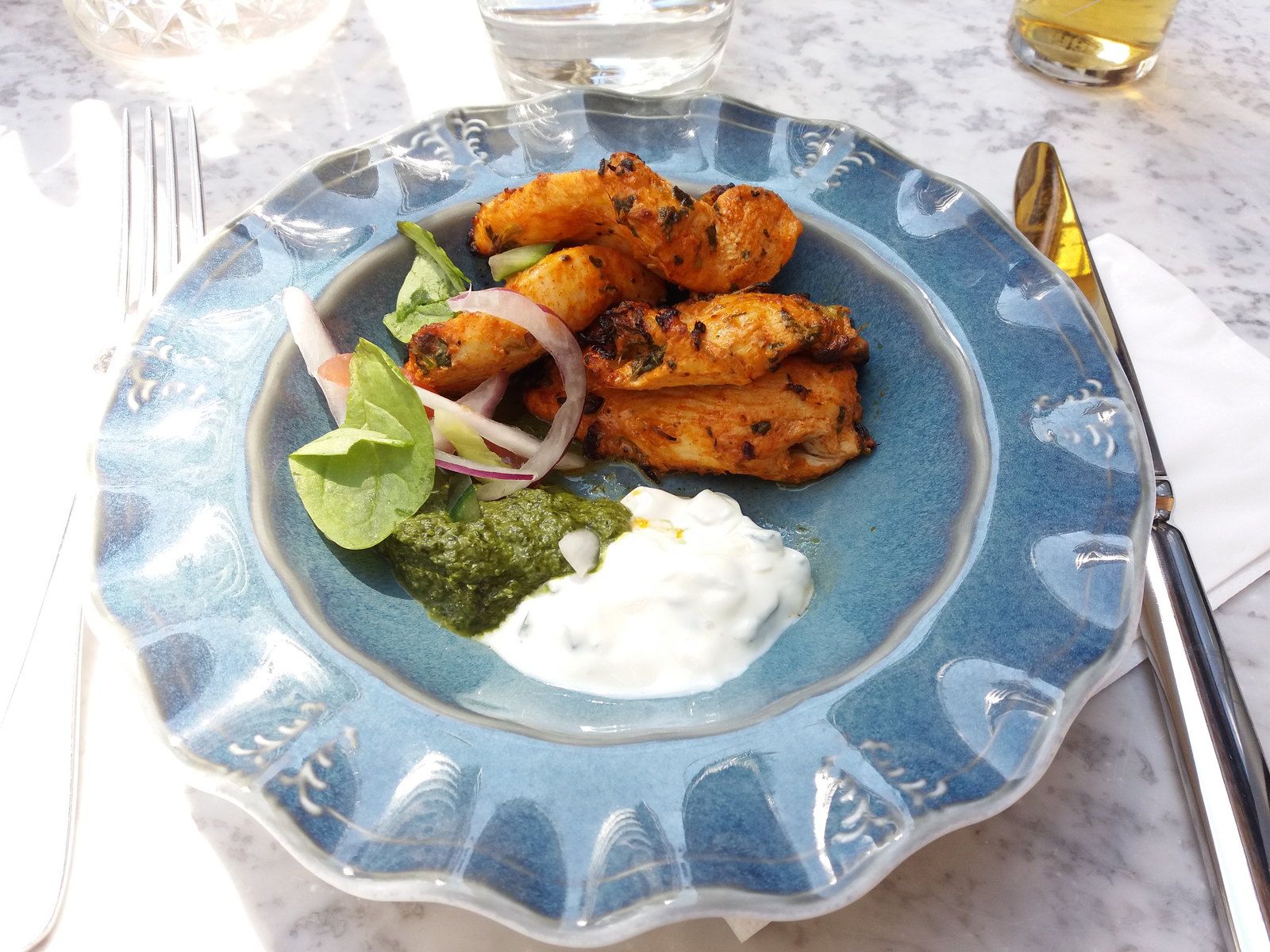
What Is the Indian Keto Diet?
The Indian keto diet adapts the standard ketogenic diet to Indian cuisine. The core principle is the same: drastically reduce carbohydrates, eat moderate protein, and get most of your calories from healthy fats. This shifts your body into ketosis — a metabolic state where you burn fat for fuel instead of glucose.
What makes Indian keto unique is the food. Traditional Indian meals are built around rice, roti, dal, potatoes, and wheat — all high-carb staples. The Indian keto diet replaces these with low-carb alternatives while keeping the spices, flavors, and cooking techniques that make Indian food so satisfying.
A standard Indian meal of dal-chawal with roti and sabzi can easily hit 150g of carbs. On keto, you’re aiming for 20–50g of net carbs per day. That’s a big shift, but it’s entirely doable with the right swaps.
Macronutrient Targets for Indian Keto
| Macro | Daily Target | % of Calories |
|---|---|---|
| Net Carbs | 20–50g | 5–10% |
| Protein | 60–100g | 20–25% |
| Fat | 100–150g | 65–75% |
Net carbs = total carbs minus fiber. This matters because many Indian vegetables (bhindi, baingan, gobhi) are fiber-rich and their net carb count is lower than you’d expect.
What to Eat on Indian Keto
Proteins (Eat Freely)
- Paneer — the king of Indian keto. 100g has ~18g protein and under 2g net carbs.
- Chicken, mutton, fish — all zero-carb. Tandoori chicken, chicken tikka, fish curry (without flour thickeners).
- Eggs — egg bhurji, egg curry, boiled eggs. Zero carbs, high protein.
- Tofu — for vegans. Slightly higher carb than paneer but still keto-friendly.
Vegetables (Eat Generously)
- Leafy greens: palak (spinach), methi (fenugreek), sarson (mustard greens), bathua
- Cruciferous: gobhi (cauliflower), band gobhi (cabbage), broccoli
- Gourds: lauki (bottle gourd), tori (ridge gourd), karela (bitter gourd)
- Others: bhindi (okra), baingan (eggplant), shimla mirch (bell pepper), zucchini
Fats (Your Primary Fuel)
- Ghee — clarified butter, the backbone of Indian cooking. Use it liberally.
- Coconut oil — especially good for South Indian keto dishes.
- Mustard oil — traditional in North and East Indian cooking.
- Butter, cream, cheese — all keto-friendly.
- Nuts and seeds: almonds, walnuts, chia seeds, flax seeds, pumpkin seeds.
Beverages
- Water — aim for 3+ liters daily. Keto is dehydrating.
- Black coffee, unsweetened chai — use heavy cream instead of milk.
- Nimbu pani with salt — skip the sugar, add salt for electrolytes.
What to Avoid on Indian Keto
The Big Offenders
- Roti, naan, paratha, puri, bhatura — all wheat-based, all high-carb.
- Rice — white rice, brown rice, biryani rice. All off-limits.
- Dal and legumes — chana, rajma, moong, masoor, urad. Too many carbs per serving.
- Potatoes, sweet potatoes, arbi, jimikand — starchy vegetables.
- Sugar, jaggery, honey — in chai, mithai, or hidden in curries.
Hidden Carbs in Indian Cooking
- Onion-tomato masala base — onions and tomatoes have carbs. Use them, but measure. One medium onion has ~8g net carbs; one medium tomato has ~3g.
- Besan (gram flour) — used to thicken kadhi and some curries. Replace with almond flour or cream.
- Corn flour / cornstarch — used as a thickener in Indo-Chinese dishes. Skip it.
- Milk in chai — a cup of milk has ~12g carbs. Use heavy cream (1–2 tbsp) or unsweetened almond milk instead.
How to Adapt Indian Meals for Keto
Swap Your Staples
| Instead Of | Use This |
|---|---|
| Roti / Naan | Almond flour roti, coconut flour paratha |
| Rice | Cauliflower rice (gobhi chawal) |
| Aloo (potato) | Paneer, zucchini, or radish |
| Besan | Almond flour or coconut flour |
| Sugar in chai | Stevia, erythritol, or monk fruit |
| Milk | Heavy cream or unsweetened almond milk |
| Dal | Palak paneer or creamy vegetable curry |
Keto-Friendly Indian Dishes (As-Is)
Many Indian dishes are already keto or need only minor tweaks:
- Butter chicken — skip the sugar, use cream. ~5g net carbs per serving.
- Palak paneer — already keto. ~4g net carbs.
- Tandoori chicken — zero carbs. Marinate in yogurt (use hung curd to reduce carbs).
- Chicken tikka — zero carbs if you skip the chutney.
- Egg bhurji — scrambled eggs with onions and spices. ~3g net carbs.
- Baingan bharta — roasted eggplant mash. ~6g net carbs.
- Bhindi masala — okra stir-fry. ~5g net carbs.
- Fish tikka / fish curry — use coconut milk instead of regular milk.
For a full collection of recipes, see our 25+ Indian Keto Recipes guide.
Common Mistakes Beginners Make
1. Not Eating Enough Fat
The biggest mistake. If you cut carbs but don’t increase fat, you’ll feel exhausted and hungry. Add ghee to your sabzi, cook in coconut oil, snack on nuts, and don’t fear butter.
2. Eating Too Much Protein
Excess protein can be converted to glucose through gluconeogenesis, potentially kicking you out of ketosis. Stick to moderate portions — a palm-sized serving of protein per meal.
3. Ignoring Electrolytes
When you cut carbs, your body flushes out water and electrolytes. This causes the “keto flu” — headaches, fatigue, brain fog. Prevent it with:
- Sodium: 5–7g per day. Add salt to everything. Drink salted nimbu pani.
- Potassium: 3–4g per day. Eat avocado, spinach, and use potassium salt (Lo-Salt).
- Magnesium: 300–500mg per day. Supplement or eat pumpkin seeds and almonds.
4. Hidden Carbs in Restaurant Food
Restaurant curries often contain sugar, corn flour, and extra onions. When eating out, stick to tandoori items, ask for no sugar in curries, and request cream-based gravies.
5. Not Drinking Enough Water
Keto is a diuretic. You need significantly more water than usual. Aim for 3–4 liters daily.
6. Giving Up Too Soon
The first week is hard. Keto flu, carb cravings, and low energy are normal. Most people feel dramatically better by day 7–10. Push through.
Getting Started: Your Indian Keto Checklist
Week 1 — Preparation
- Clean out your kitchen: remove rice, atta, sugar, potatoes, biscuits, and packaged snacks.
- Stock up on keto staples: paneer, eggs, chicken, ghee, coconut oil, nuts, leafy greens, cauliflower.
- Buy electrolyte supplements or Lo-Salt and magnesium.
- Get a kitchen scale and a tracking app (MyFitnessPal or Cronometer).
- Read our 7-Day Indian Keto Meal Plan for your first week.
Week 2 — Execution
- Start tracking everything you eat. Aim for under 30g net carbs.
- Drink 3+ liters of water daily.
- Salt your food generously. Drink electrolyte water if you feel off.
- Cook at home. Restaurant food is risky in the first two weeks.
- Weigh yourself once, then put the scale away for a week.
Week 3+ — Settling In
- Experiment with keto roti and cauliflower rice recipes.
- Try intermittent fasting (16:8) — it pairs well with keto.
- Explore our Keto Paneer Recipes for variety.
- Listen to your body. If you’re hungry, eat more fat. If you’re tired, check electrolytes.
Frequently Asked Questions
Can I eat dal on keto?
No. Most dals (toor, masoor, moong, chana) have 15–20g net carbs per cooked cup. That’s nearly your entire daily carb budget in one serving. If you absolutely must, limit to 2–3 tablespoons as a flavor accent, not a main dish.
Is paneer really keto-friendly?
Yes. Paneer is one of the best keto foods in Indian cuisine. 100g of paneer has ~18g protein, ~20g fat, and under 2g net carbs. It’s filling, versatile, and works in dozens of Indian dishes. See our 10+ Keto Paneer Recipes for ideas.
What can I eat at an Indian restaurant on keto?
Stick to tandoori items (chicken tikka, tandoori chicken, seekh kebab), palak paneer, butter chicken (ask for no sugar), and dry vegetable dishes like bhindi masala. Avoid anything with gravy unless you confirm it’s cream-based and sugar-free. Skip the rice, naan, and chutneys.
How long does it take to enter ketosis?
Typically 2–4 days if you stay under 20g net carbs. It can take up to a week if you’re eating closer to 50g. Signs of ketosis include metallic breath, increased thirst, reduced hunger, and (eventually) steady energy.
Will I lose muscle on keto?
Not if you eat enough protein and calories. Keto is muscle-sparing because ketones have an anti-catabolic effect. Aim for 1.2–1.7g of protein per kg of body weight, and don’t cut calories too aggressively.
Can vegetarians do Indian keto?
Absolutely. Paneer, eggs (if you eat them), tofu, nuts, seeds, and low-carb vegetables form a solid foundation. The main challenge is getting enough protein without dal — paneer and eggs are your best friends. Our 25+ Indian Keto Recipes includes a full vegetarian section.
Ready to start? Grab our 7-Day Indian Keto Meal Plan and take the guesswork out of your first week.